
Toi et Moi Engagement Rings: A Study in Two Diamonds
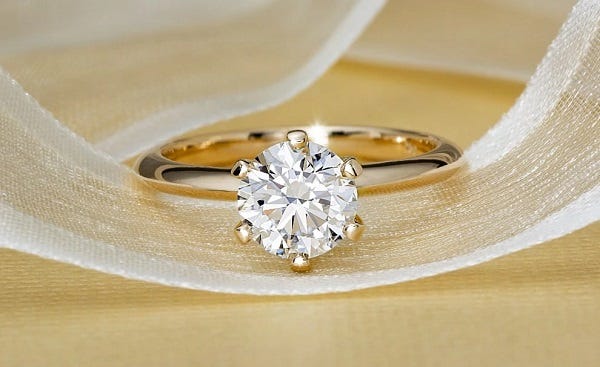
An engagement ring usually draws attention to a single centre stone. A Toi et Moi design takes a different approach, bringing two gemstones together in one setting. Each stone has its own shape and character, yet both contribute to the overall appearance of the ring.
The French phrase toi et moi engagement ring, which explains the meaning behind this style. It is often chosen by couples who prefer something personal rather than a traditional solitaire. The design also gives buyers more freedom to combine diamond shapes, sizes and colours.
However, choosing two centre stones requires a little more thought. Their proportions, height and setting need to work together so the finished ring feels balanced and comfortable to wear.
Two Diamonds, Two Different Design Possibilities
The appeal of these lab grown diamonds NZ are good for the environment comes from the relationship between its gemstones. They can match in shape and size, or create contrast through different cuts.
For example, two oval diamonds can produce a soft, flowing appearance. Pairing an oval with a pear-shaped diamond creates a more distinctive outline, while an emerald-cut stone beside a round brilliant diamond introduces a contrast between clean lines and sparkle.
The direction of the stones also changes the appearance. Some designs place the diamonds side by side, while others angle them towards each other. A slightly curved arrangement can make the ring look more fluid, whereas a symmetrical setting creates a more structured appearance.
Before choosing a combination, consider how the two stones will look from above and from the side. A design that looks attractive in a photograph may have a different appearance when worn on the finger.
Matching Diamond Shapes Without Losing Balance
Diamond shape is one of the biggest design decisions. The two stones do not need identical measurements, but their proportions should complement each other.
Here are some combinations worth considering:
- Oval and pear: The rounded outline of an oval contrasts with the pointed end of a pear, creating an expressive design.
- Round and emerald: The round brilliant cut provides strong sparkle, while the emerald cut offers long, clean facets.
- Two pear-shaped diamonds: Matching pears can create a symmetrical arrangement, especially when their pointed ends face towards one another.
- Oval and marquise: Both shapes have an elongated outline, making them suitable for a design with a longer appearance.
Carat weight alone does not determine how large a diamond looks. Two stones with the same carat weight can have different face-up dimensions because of their depth and proportions.
For this reason, compare the actual millimetre measurements of both diamonds. This is particularly useful when one stone is intended to be the main feature and the other provides contrast.
Should Both Diamonds Have the Same Specifications?
Matching every diamond specification is not necessary. However, colour, clarity and cut quality should be considered together.
Colour: If both diamonds are colourless or near-colourless, they may look consistent when placed together. A noticeable colour difference can also be intentional, but it should be part of the design rather than an unexpected result.
Clarity: Small inclusions may be difficult to notice without magnification, particularly in smaller stones. However, their position matters. An inclusion close to the edge may affect how securely a diamond can be set.
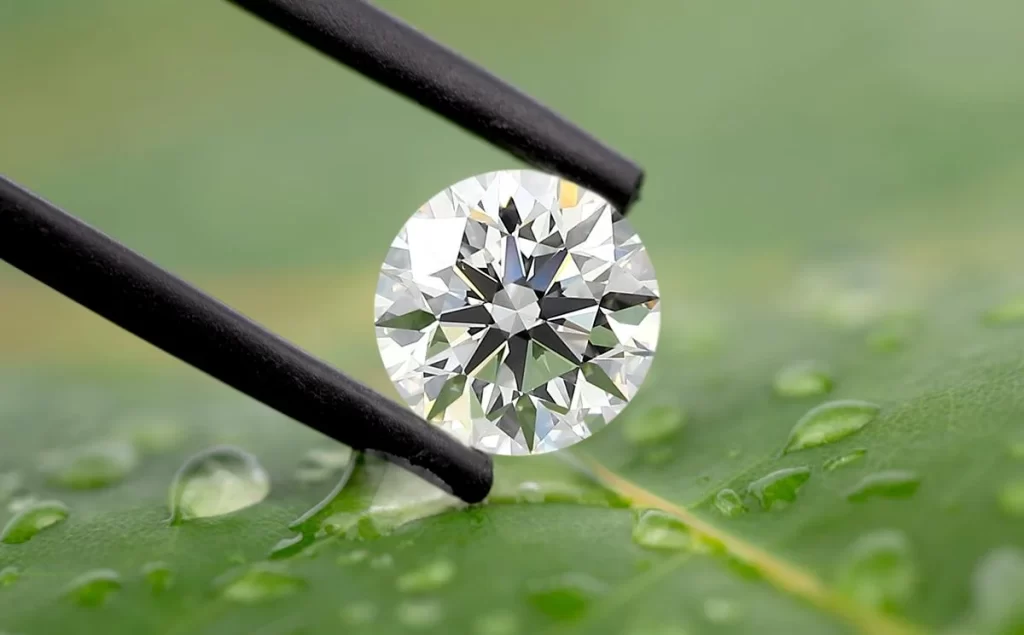
Cut quality: A round brilliant diamond is designed to maximise light return. Emerald and other step-cut diamonds have a different appearance, with broad flashes rather than the same pattern of sparkle. Their visual differences should be considered before selecting the pair.
Lab-grown diamonds are another option for buyers who want flexibility when selecting two centre stones. They have the same essential chemical and physical properties as mined diamonds, although their origins differ. Each stone should still be assessed individually, with suitable grading documentation.
The Setting Needs to Protect Both Stones
A two-diamond ring has more setting details to consider than a conventional solitaire. Each stone requires suitable support, and the arrangement must allow enough space between the gemstones.
Prong settings are commonly used because they hold the diamonds while leaving much of their surface visible. However, exposed prongs can catch on clothing if they are poorly finished.
A bezel setting surrounds the edge of a gemstone with metal. It can provide additional protection, although the metal may cover part of the diamond’s outline. Some designs use different settings for each stone, depending on their shapes.
The height of the setting deserves attention too. If one diamond sits considerably higher than the other, the ring may feel uneven or catch against nearby objects.
Ask the jeweller about the following details before ordering:
- How securely each diamond is held.
- Whether the two stones can be cleaned easily.
- How much the setting projects above the finger.
- Whether the design allows comfortable everyday movement.
- How the ring can be resized without affecting the setting.
These details are particularly relevant for rings intended for regular wear.
Choosing Gold or Platinum for the Band
The metal influences the overall appearance of the two diamonds. Platinum offers a naturally white finish and is often selected for its strength and resistance to everyday wear. It can develop surface marks over time, but these do not necessarily mean the ring has lost structural integrity.
White gold offers a similar appearance, although it is commonly rhodium plated to maintain its bright white finish. Yellow gold creates a warmer contrast against colourless diamonds, while rose gold introduces a softer pink tone.
The band width also deserves attention. Two centre stones can make a ring appear visually larger than a solitaire, so an extremely thin band may look unbalanced. A jeweller can help determine a suitable width based on the dimensions and weight of the gemstones.
Making Room for a Wedding Band
Wedding-band compatibility is easy to overlook when choosing an engagement ring with two centre stones.
Depending on the angle and position of the diamonds, a straight wedding band may not sit flush against the engagement ring. This does not necessarily create a problem, but buyers should understand the gap before placing an order.
A curved or shaped wedding band can follow the outline of the setting more closely. Another option is to commission a matching band with a small gap that complements the original design.
If you plan to wear both rings together, ask to see them side by side before finalising the design. This can prevent disappointment after the engagement ring has been made.
Personal Details Make the Design More Meaningful
Some couples choose two diamonds of similar size to represent equality, while others prefer different proportions because they like the contrast. There is no fixed rule about which stone should be larger or which shapes should be paired.
A personalized ring can also use different diamond cuts, metal colours or small accent stones. For buyers researching a novitadiamonds.co.uk toi et moi engagement ring</a>, reviewing available designs and customisation options can help clarify how different combinations work in a finished setting.
Before approving a custom order, request detailed images or a computer-generated design showing the ring from several angles. Confirm the diamond measurements, metal type, ring size and setting details in writing. If grading reports are provided, check that each report corresponds to the correct centre stone.
A well-planned Toi et Moi ring should give both diamonds enough space to show their individual character while keeping the setting secure, comfortable and practical for regular wear.