
Novita Diamonds and the Future of Fine Jewelry
Fine jewelry has always carried personal meaning, especially when marking engagements, weddings, and anniversaries. Yet buyers now consider more than appearance when choosing a diamond. Price, origin, craftsmanship, and transparency all influence their decisions.
The Novita lab grown diamonds story reflects this shift in consumer expectations. By focusing on laboratory-created stones and accessible fine jewelry, the brand offers an alternative to traditional diamond shopping without abandoning the qualities people value in precious gemstones.
The Beginning of Novita Diamonds
Novita Diamonds emerged as a jewelry business specializing in laboratory-grown diamonds, with a strong presence in Australia. Its approach centers on giving customers access to diamond jewelry without relying exclusively on stones extracted through mining.
The company operates in a market where engagement rings remain significant purchases, but customers increasingly research their options before visiting a showroom. Detailed product information, diamond specifications, and customizable settings help make those decisions more manageable.
Rather than treating laboratory-grown stones as imitation gems, Novita presents them as genuine diamonds produced through a different process. This distinction matters because the manufacturing method changes the origin, not the fundamental identity of the gemstone.
Why Laboratory-Grown Diamonds Are Real Diamonds
Diamonds created in controlled facilities share the same essential chemical composition and crystal structure as mined diamonds. Both consist of carbon atoms arranged in a crystalline lattice, giving them their characteristic hardness and optical properties.
Two principal methods produce these gemstones:
- High Pressure High Temperature (HPHT): Recreates conditions of intense pressure and heat that allow diamond crystals to form.
- Chemical Vapor Deposition (CVD): Uses carbon-containing gases inside a controlled chamber to build diamond material on a seed crystal.
These techniques produce man made diamonds that can match mined stones in brilliance, durability, and visual appeal. Specialized laboratory equipment may be needed to distinguish their origins reliably.
Laboratory-grown diamonds also differ from simulants such as cubic zirconia and moissanite. Those materials may resemble diamonds, but their chemical compositions and physical characteristics are different.
A Different Approach to Engagement Rings
Personalization Without the Traditional Price Barrier
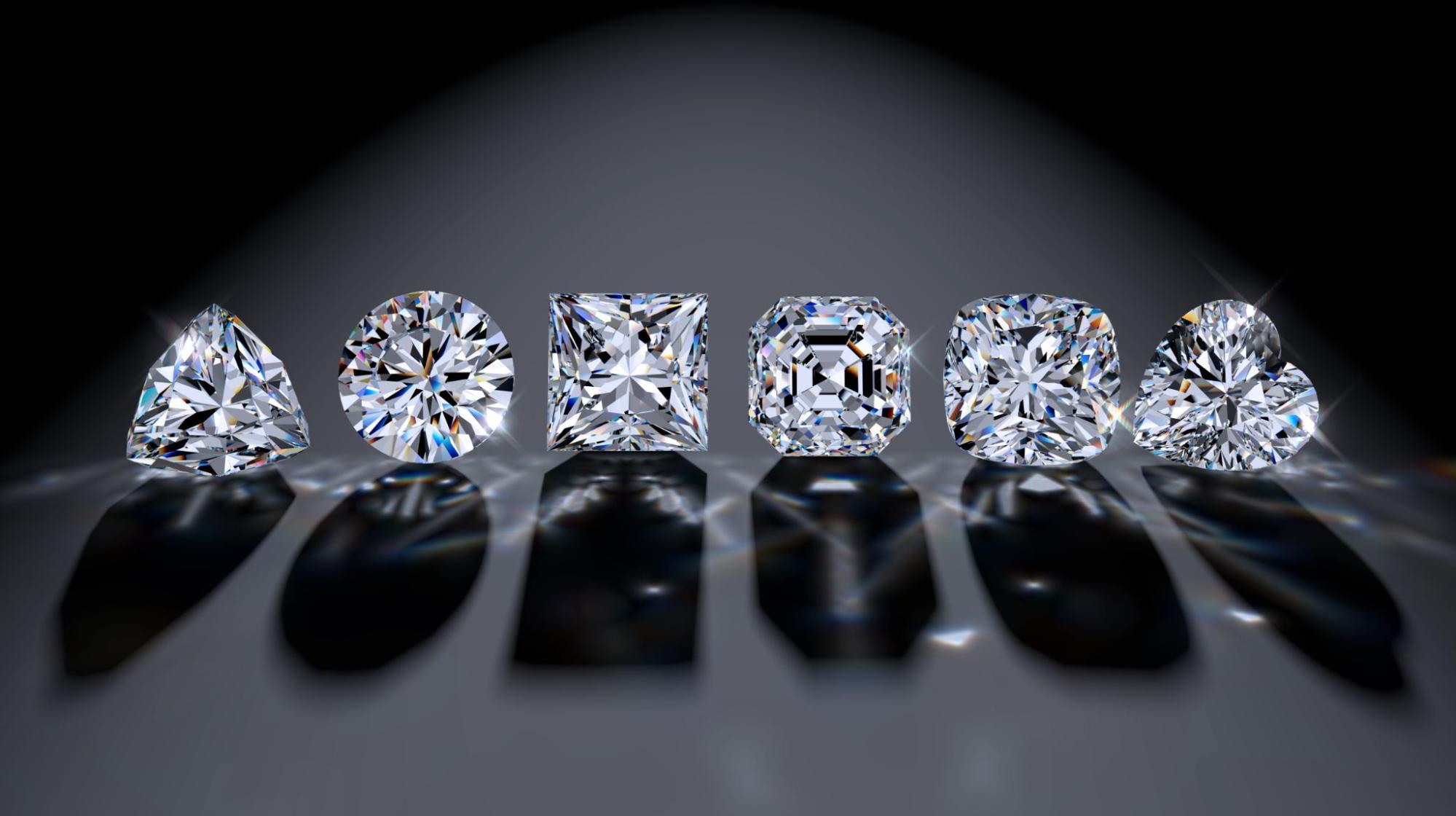
One appealing aspect of Novita’s jewelry offering is the opportunity to select individual diamonds and pair them with preferred ring settings. Customers can consider round, oval, pear, emerald, and other shapes while balancing appearance against their budgets.
For example, someone choosing an oval engagement ring might prioritize a larger face-up appearance. Another buyer may prefer a smaller round brilliant with excellent cutting proportions and stronger light performance.
Laboratory-grown diamonds generally cost less than comparable mined diamonds at retail. This difference can leave more room in a budget for a carefully crafted setting, higher color or clarity grades, or a different center-stone size.
However, larger does not automatically mean better. A diamond’s cut quality, proportions, and suitability for its setting often influence its appearance more than carat weight alone.
Diamond Grading Still Matters
The Novita lab grown diamonds story also connects with a broader change in jewelry purchasing: customers want understandable information before committing to expensive pieces.
Diamond grading commonly considers four characteristics known as the 4Cs: cut, color, clarity, and carat weight. Independent reports can help buyers compare stones using consistent terminology, although grading practices differ between laboratories.
A grading report should identify the diamond as laboratory-grown and provide relevant measurements and quality assessments. Buyers should also examine the seller’s return conditions, warranty coverage, resizing policies, and any available information about treatments.
These details are particularly useful when purchasing jewelry online, where photographs cannot fully communicate how a diamond performs under different lighting conditions.
Sustainability Claims Deserve Careful Attention
Laboratory production avoids the excavation required for mined diamonds, but it still consumes electricity and other resources. The environmental impact depends partly on production technology, energy sources, manufacturing efficiency, and supply-chain practices.
For that reason, describing every laboratory-grown diamond as environmentally friendly would be misleading. Buyers interested in sustainability should look for specific evidence about energy use, emissions, and manufacturing standards rather than relying on broad marketing language.
Transparency about origin and production offers a more useful starting point than unsupported environmental promises.
Choosing Jewelry With Long-Term Value
A diamond ring is usually purchased for personal significance rather than investment returns. Laboratory-grown diamond resale prices can be substantially lower than original retail prices, so buyers should approach claims about future financial value cautiously.
The lasting value of a piece often comes from its design, comfort, craftsmanship, and connection to an important occasion. Secure prongs, appropriate metal choices, and periodic professional inspections also contribute to everyday durability.
The growing acceptance of man made diamonds gives jewelry buyers more flexibility, but careful comparison remains worthwhile. The Novita lab grown diamonds story illustrates why informed purchasing matters: understanding the stone, evaluating the setting, and asking practical questions can lead to a ring that feels right long after the purchase.