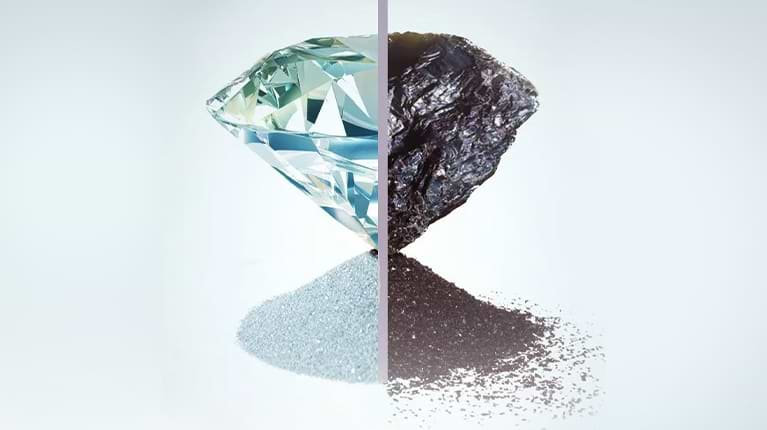

Why Lab Grown Diamond HK Is Becoming a Popular Choice for Modern Buyers
The market for lab grown diamond HK jewelry has expanded rapidly in recent years. Consumers in Hong Kong increasingly seek diamonds that offer verified quality, transparent sourcing, and competitive pricing. As a result, lab-created diamonds have become a popular alternative to mined stones for engagement rings, wedding jewelry, and luxury accessories.
Understanding how lab-grown diamonds are produced, graded, and sold can help buyers make informed decisions. Whether you are searching for a custom diamond piece or comparing options with traditional diamonds, knowing the facts is essential.
What Is a Lab Grown Diamond?
A lab-grown diamond is a real diamond created in a controlled environment using advanced technology. It has the same chemical composition, crystal structure, and physical properties as a mined diamond.
Manufacturers typically use one of two methods:
- High Pressure High Temperature (HPHT)
- Chemical Vapor Deposition (CVD)
Both processes recreate the natural conditions that form diamonds beneath the Earth’s surface. The resulting stone is identical to a natural diamond in hardness, brilliance, and durability.
Professional gemological laboratories grade lab-grown diamonds using the same standards applied to mined diamonds. These standards include cut, color, clarity, and carat weight.
Why the Lab Grown Diamond HK Market Is Growing
Hong Kong has long been an important global jewelry hub. The city connects international diamond suppliers, manufacturers, and retailers through a well-developed trading network.
Several factors contribute to the growth of the lab grown diamond HK sector.
Greater Price Efficiency
Lab-grown diamonds generally cost less than comparable mined diamonds. Buyers can often select a larger carat weight or higher quality grade within the same budget.
For example, a buyer who plans to purchase a one-carat natural diamond may find a larger lab-grown option with similar clarity and color for the same investment.
Increased Transparency
Modern consumers want detailed information about the products they purchase. Lab-grown diamonds often come with certification from recognized gemological laboratories.
These reports provide clear information about the diamond’s characteristics and origin.
Expanding Design Options
Jewelry retailers in Hong Kong now offer a wider variety of settings and customization services. Buyers can select specific diamond shapes, metal types, and design features without the limitations that sometimes affect natural diamond inventory.
How Lab-Grown Diamonds Are Graded
Diamond grading remains one of the most important aspects of any purchase.
Cut Quality
Cut has the greatest influence on brilliance and sparkle. Even a diamond with excellent color and clarity can appear dull if the cut quality is poor.
Popular cuts include:
- Round Brilliant
- Oval
- Cushion
- Emerald
- Princess
- Pear
Color Grade
Diamonds are graded on a color scale that typically ranges from D to Z. D represents the most colorless stones.
Many buyers choose grades between D and H because they offer a strong balance between appearance and cost.
Clarity Grade
Clarity measures internal and external characteristics known as inclusions and blemishes.
Common clarity grades include:
- FL (Flawless)
- IF (Internally Flawless)
- VVS
- VS
- SI
Most inclusions in VS and SI diamonds are difficult to detect without magnification.
Carat Weight
Carat measures a diamond’s weight rather than its physical size. Two diamonds with the same carat weight may appear different depending on their cut proportions.
Choosing Engagement Rings with Lab-Grown Diamonds
Many couples now select lab-grown diamonds for engagement jewelry. The ability to maximize quality within a specific budget makes these diamonds especially attractive.
Buyers searching for engagement rings Manchester often compare the same factors considered by shoppers in Hong Kong. These include certification, setting style, metal choice, and diamond quality.
Popular engagement ring settings include:
- Solitaire
- Halo
- Three-stone
- Hidden halo
- Pavé band
A solitaire setting highlights the center diamond, while a halo design enhances visual size and sparkle. Three-stone rings often symbolize a couple’s past, present, and future.
Certification and Authenticity
Certification should always be part of the purchasing process.
Independent gemological laboratories evaluate and document the characteristics of a diamond. The grading report confirms details such as:
- Carat weight
- Color grade
- Clarity grade
- Cut quality
- Growth method
Buyers should verify that the report number matches the diamond being sold.
Many certified lab-grown diamonds also feature laser inscriptions on the girdle for identification purposes.
Popular Diamond Shapes in Hong Kong
Consumer preferences in Hong Kong have evolved significantly. While round brilliant diamonds remain the most popular choice, several fancy shapes continue to gain market share.
Oval Diamonds
Oval diamonds create an elongated appearance and often look larger than round diamonds of similar carat weight.
Cushion Diamonds
Cushion cuts combine rounded corners with strong brilliance. They appeal to buyers who prefer a softer appearance.
Emerald Diamonds
Emerald cuts feature step-cut facets that emphasize clarity and elegance rather than sparkle intensity.
Pear Diamonds
Pear-shaped diamonds offer a distinctive look that blends the characteristics of round and marquise cuts.
Comparing Lab-Grown and Natural Diamonds
The primary difference between lab-grown and natural diamonds is their origin.
Natural diamonds form underground over billions of years. Lab-grown diamonds develop in controlled facilities over a much shorter period.
From a scientific perspective, both are genuine diamonds. Specialized equipment is required to determine whether a diamond is natural or laboratory-grown.
Key comparison points include:
| Feature | Lab-Grown Diamond | Natural Diamond |
|---|---|---|
| Composition | Diamond | Diamond |
| Hardness | 10 Mohs | 10 Mohs |
| Appearance | Identical | Identical |
| Certification | Available | Available |
| Origin | Laboratory | Earth |
| Price | Typically lower | Typically higher |
This comparison explains why many consumers evaluate both options before making a final purchase.
Tips for Buying a Lab Grown Diamond HK
A structured buying process can help maximize value.
First, establish a realistic budget before viewing inventory. This prevents unnecessary compromises later.
Second, prioritize cut quality. A well-cut diamond often appears more attractive than a larger stone with weaker proportions.
Third, compare multiple certified diamonds rather than relying on a single option.
Fourth, review the grading report carefully. Pay attention to measurements, proportions, and fluorescence if listed.
Finally, choose a reputable jeweler that provides clear documentation and after-sales support.
Future Trends in Hong Kong’s Diamond Market
The demand for lab-grown diamonds is expected to remain strong as technology continues to improve production efficiency and quality consistency.
Retailers are expanding custom jewelry services and offering a broader range of certified diamonds. Digital visualization tools also allow buyers to compare stones and settings before making a purchase.
As consumer awareness grows, the lab grown diamond HK market will likely continue attracting buyers who value quality, transparency, and informed purchasing decisions.
For anyone considering a diamond purchase, understanding grading standards, certification requirements, and design options remains the best way to select a piece that matches both personal preferences and budget.