
Diamantes Éticos: Why Modern Buyers Choose lab made diamonds
Change moves fast in jewelry now that shoppers care more about looks, worth, and doing right by the planet. Luxury and love stories once ruled the diamond game, yet lately folks want answers – like who mined it, under what conditions. That curiosity feeds a rise in demand for diamantes éticos, gems tied to fairer ways and cleaner Earth practices. Among these choices, lab grown stones stand out as a top pick today.
Imagine getting that classic sparkle without digging deep into the earth. These lab-made gems shine just like mined ones, yet grow in high-tech labs instead of caves and soil. Picture knowing exactly where your stone came from – no guesswork involved. Fancy beauty meets clear conscience through science shaped behind glass walls.
What Ethical Diamonds Are?
Not every shiny stone carries the same weight. Diamantes éticos means choosing gems with less damage to communities or nature. People now think twice before buying – worries pop up about torn-up earth, thirsty mines, or unfair work conditions. Stones pulled from old jewelry count here, just like newly dug ones done right. Lab-made sparklers fit too, grown without digging at all.
One reason some people lean toward lab grown stones? Mining becomes unnecessary. Beauty stands firm when ethics step forward.
Lab Made Diamonds Explained?
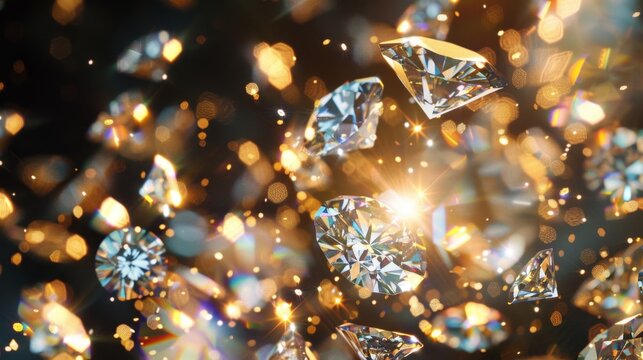
Deep below Earth’s surface, nature takes ages to build diamonds. Scientists now mimic those conditions in labs, crafting stones indistinguishable to the eye. These creations share identical chemistry, strength, and shimmer with their earth-grown counterparts. Under bright light, both types burst into similar flashes of color and brilliance. Only advanced tools reveal which began life beneath soil versus inside a chamber.
One way to make these diamonds involves intense heat plus pressure. Another relies on a process that builds them atom by atom
- Deep underground conditions get copied by HPHT. This method uses extreme heat along with heavy pressure. Nature’s way of making diamonds happens this way. Forces inside Earth shape crystals over time. Intense environments trigger slow formation. Realistic results come from matching those depths. Heavy weight plus scorching temps do the work. The planet’s core offers a model for replication.
- A thin diamond builds up slowly when carbon-filled gas flows in. Each slice forms under careful conditions, one after another.
Real diamonds come from either method, nothing fake such as cubic zirconia or moissanite.
Buyers Choose Ethical Diamonds
1. Better Environmental Impact
Earth must shift by the ton during mining, while power and water get pulled in heavy volumes. When gems form in labs instead, digging fades into less necessity – cutting down harm to nature, more so if clean energy runs the process.
2. Greater Transparency
From farm to finger, people like seeing every step a diamond takes. lab made diamonds? Their journey tends to show up clearer on paper.
3. Excellent Value
What stands out most? The cost. With lab diamonds, people usually get bigger or better stones without spending more than they would on natural ones. Luxury becomes easier to reach.
4. Same Beauty Same Quality
Not just sparkly but built to last, lab-grown diamonds look exactly like mined ones. Whether set in a ring or made into unique pieces, these gems hold their shine over time.
Ideal for Engagement Rings
Most people pick ethical lab made diamonds for engagement rings. Love matters, yet so do beliefs both partners hold. A future together can shine through choices like lab grown stones – clear proof of care, balance, new thinking. These rings mean more when they stand for honesty, fresh ideas, purpose.
Some pairs find it helpful to pick a bigger main gem or detailed look without going over their limit. A few go for extra sparkle when they keep costs in mind. Others like having room to explore bolder styles at a price that fits. Choosing something eye-catching becomes easier when savings stay intact.
Choosing a Diamond
From start to finish, identical rules cover both mined and man-made stones. Knowing the 4Cs matters most when choosing a gem
- A well-shaped diamond catches light differently. Its angles decide how much it shines.
- Color: Measures how colorless the stone appears.
- Inside or outside flaws make up what clarity means.
- A single measure tells how heavy a diamond is – this also hints at its bulk. Weight alone shapes what you see when it catches the light.
Beauty in a diamond usually comes down to how it’s cut, not just its size. When proportions are off, even big stones lose their appeal. Trusted lab reports back up what you’re really getting. These papers matter later if you ever decide to sell. Confidence starts with proof, not promises.
The Future Of Fine Jewelry
Now more than ever, shoppers choose what matches their values. Ethical diamonds are part of that shift. Their interest isn’t just on how things look but also on how they’re made. Sustainability matters. So does fair treatment along the supply chain. Cost-wise choices play a role too. Meaning has become central to jewelry buying. Looks alone aren’t enough anymore.
With tech advancing, plus people paying closer attention, lab made diamonds likely play a bigger role in high end jewelry. A mix of style, new thinking, and ethical choice draws younger buyers in.
Final Thoughts
Love, celebration, those moments that last – diamonds still stand for all of it. Yet how folks pick them out? That part has shifted. Style does not vanish when ethics enter; instead, they blend into something wanted by many. Cost used to block access, but not anymore. Choices that feel right also happen to look good.
Starting fresh often brings surprises – ethical diamonds offer one such twist. Beauty shines through in ways that feel new, yet familiar, when labs craft stones instead of mines. These creations carry weight without the baggage, fitting right into how things stand now. What once seemed like fantasy quietly becomes normal, almost by accident.