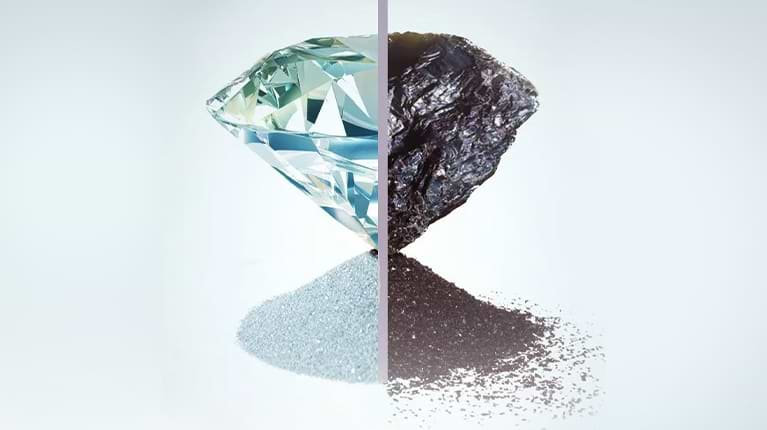

Lab Diamonds vs Natural Diamonds: The Ultimate Guide
Diamonds have long been cherished for their beauty, rarity, and symbolism, but as technology advances, the way diamonds are produced is changing. Today, consumers are presented with two primary choices: diamantes de laboratorio vs diamantes naturales and natural diamonds. Each type has its own distinct characteristics, and understanding these differences is crucial for making an informed decision.
In this guide, we will explore lab diamonds versus natural diamonds, highlighting key factors such as their formation, cost, environmental impact, and value to help you choose the best option for your needs.
What Are Lab Diamonds?
The Science Behind Lab Diamonds
Lab-grown diamonds, also known as synthetic diamonds or man-made diamonds, are created using advanced technological processes that mimic the conditions under which natural diamonds are formed. There are two primary methods for creating lab diamonds:
- High Pressure High Temperature (HPHT): This method replicates the extreme pressure and heat conditions of the Earth’s mantle.
- Chemical Vapor Deposition (CVD): This technique uses a gas mixture to deposit carbon atoms onto a substrate, which gradually forms a diamond crystal.
These diamonds are made of pure carbon atoms arranged in a crystalline structure, identical to natural diamonds. In fact, a lab diamond is virtually indistinguishable from a natural diamond without the help of sophisticated equipment.
Benefits of Lab Diamonds
- Cost-Effective: Lab-grown diamonds are typically 30-40% cheaper than natural diamonds of the same size and quality.
- Environmentally Friendly: Since they are created in a controlled environment, lab diamonds have a significantly lower environmental impact.
- Ethical Sourcing: Lab diamonds are conflict-free by default, eliminating the concerns associated with “blood diamonds” or diamonds sourced from areas of unethical labor practices.
- Customization: Lab diamonds can be grown in different shapes, sizes, and qualities, providing greater flexibility for customers.
What Are Natural Diamonds?
The Formation of Natural Diamonds
Natural diamonds are formed deep within the Earth’s crust under immense pressure and heat over millions to billions of years. They are created from carbon atoms that bond in a crystal structure, and the geological conditions required for their creation are rare, making them exceptionally valuable.
Characteristics of Natural Diamonds
- Rarity: Natural diamonds are finite and rare, which is why they hold significant value.
- Historical Significance: Natural diamonds have a rich history and are often seen as symbols of status, wealth, and luxury.
- Unique Properties: Each natural diamond has its own unique characteristics, including slight variations in color, clarity, and cut that make each one special.
Key Differences Between Lab Diamonds and Natural Diamonds
1. Cost
One of the most significant differences between lab diamonds and natural diamonds is the cost. Lab-grown diamonds are considerably more affordable, mainly due to the controlled conditions under which they are created. Natural diamonds, on the other hand, are rare and require a long process of mining and transportation, which increases their cost.
Lab Diamonds: Generally 30-40% less expensive than natural diamonds of similar size and quality.
Natural Diamonds: More expensive due to their rarity, geological formation, and mining processes.
2. Appearance
Both lab diamonds and natural diamonds look strikingly similar, making it difficult for the average person to distinguish between the two. They have identical physical and chemical properties, including:
- Hardness: Both are 10 on the Mohs scale, lab created diamonds, making them the hardest known material on Earth.
- Sparkle: Both have the same brilliance, dispersion, and scintillation.
However, subtle differences might exist due to the inclusion patterns, as natural diamonds may contain minor inclusions or irregularities that form over millions of years. Lab diamonds, especially those created using CVD, tend to have fewer inclusions.
3. Environmental Impact
- Lab Diamonds: Lab-grown diamonds are often touted as an environmentally friendly alternative to mined diamonds. They require fewer resources and don’t contribute to the destruction of ecosystems.
- Natural Diamonds: Diamond mining has been linked to deforestation, pollution, and significant environmental damage. However, some mining companies are making strides toward sustainable and ethical mining practices.
4. Value and Resale
While lab diamonds are becoming more popular, they don’t have the same historical value or scarcity as natural diamonds, which makes them less likely to appreciate in value over time. Natural diamonds are often considered a long-term investment due to their rarity and intrinsic value. Lab diamonds, although valuable, are generally considered to depreciate more rapidly because they can be easily replicated.
5. Ethical Considerations
The ethical implications of diamond mining are significant. Natural diamonds have historically been associated with human rights abuses and conflict financing, often referred to as “blood diamonds.” However, initiatives like the Kimberley Process Certification Scheme have been created to curb the trade of conflict diamonds.
Lab diamonds are inherently conflict-free because they are produced in a controlled environment, ensuring no ethical concerns regarding their extraction.
Which One Should You Choose?
Choosing between a lab-grown and a natural diamond depends on various factors, including budget, ethical considerations, and the importance of rarity to you. Here’s a quick summary of what might influence your decision:
- If you’re looking for a more affordable option without compromising on quality, a lab-grown diamond may be the ideal choice.
- If you value rarity, historical significance, and long-term investment, then a natural diamond may appeal to you more.
- If environmental impact and ethics are a top priority for you, a lab-grown diamond is a more sustainable and ethical choice.
Ultimately, both lab diamonds and natural diamonds are beautiful options, but they offer different experiences and values. Whichever you choose, it’s important to select a diamond that aligns with your personal preferences and values.
Conclusion
Lab diamonds and natural diamonds each offer unique advantages, and understanding their differences is crucial for making an informed decision. Whether you choose a lab-grown diamond for its affordability and sustainability or opt for the rarity and historical significance of a natural diamond, both types provide timeless beauty and lasting memories.
Make sure to research your options, ask questions, and choose a diamond that resonates with you personally.